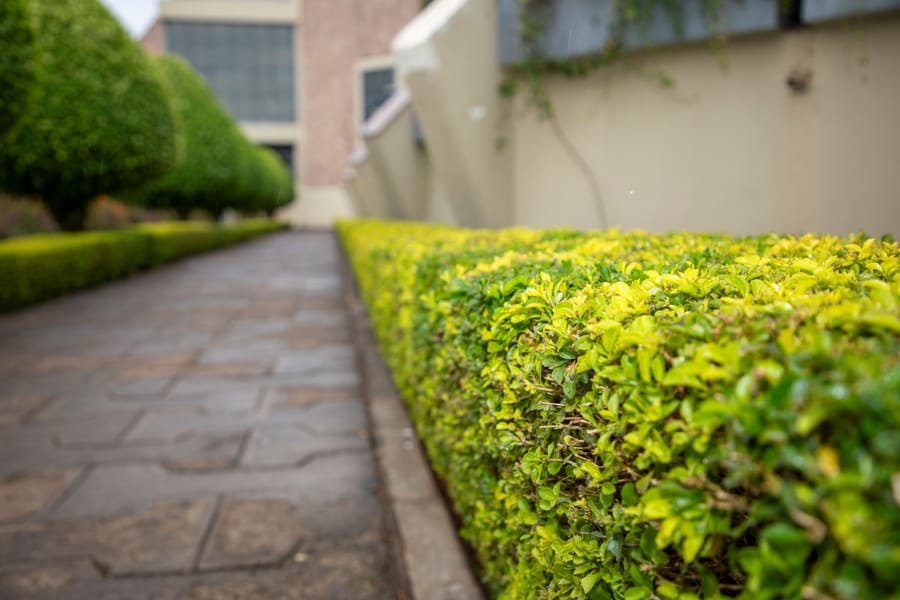
Hedge Trimming in Sheffield
Neat, healthy hedges throughout the year. We trim all types of hedgerow - formal box hedges, overgrown Leylandii, mixed boundary hedges and everything in between - to the standard you need.
Get a Free QuoteProfessional Hedge Trimming Across Sheffield
A well-maintained hedge is one of the most valuable features in a garden - providing privacy, shelter, structure and habitat. But hedges need regular, correctly timed trimming to stay healthy, dense and looking their best. Left too long, many species become leggy, thin at the base and difficult to bring back into shape.
Our team handles all types of hedge trimming and cutting across Sheffield and South Yorkshire, from small formal hedges to large Leylandii screens and mixed native boundary hedges. We have the equipment and experience to work safely at height, deal with bulky material, and leave a clean, precise finish every time.
Get a Free Quote
Hedge Types We Trim
We trim all common hedge species found in Sheffield gardens and commercial properties, including:
- Leylandii (x Cuprocyparis leylandii) - the most commonly requested. Leylandii can grow extremely quickly and become very tall if left untrimmed. We carry out annual trimming to keep them in check, as well as height and width reductions on overgrown specimens.
- Beech and hornbeam - formal garden hedges that retain their brown leaves through winter when trimmed correctly in late summer.
- Box (Buxus) - formal topiary and low edging hedges requiring precise cutting, ideally twice a year.
- Privet - a common garden boundary hedge that grows vigorously and usually benefits from two cuts a year.
- Hawthorn and blackthorn - native species used in mixed rural and suburban boundary hedges.
- Mixed native hedgerows - combining hawthorn, hazel, elder, field maple and other species, these are best cut in late winter once berries have been taken by wildlife.
- Laurel, holly and yew - slower-growing evergreens that typically need trimming once a year, with care taken to avoid cutting through large leaves.
Overgrown Hedges - Height and Width Reduction
If your hedge has been left for several years and has grown significantly taller or wider than you want, we can carry out a more substantial reduction. The feasibility and extent of a major reduction depends on the species - some, like beech, privet and hawthorn, will reshoot well from hard cutting. Others, such as Leylandii and other conifers, will not regrow from brown wood and need a more careful approach.
We will always advise you on what is achievable for your particular hedge and species before any work begins, and give you a realistic picture of how it will look once cut.
Timing - When We Trim
The best trimming time varies by species and by what you want to achieve. As a general guide:
- Most formal hedges (Leylandii, box, privet) are best trimmed between late spring and early autumn, avoiding the main nesting season from March to July where possible.
- Beech and hornbeam are ideally trimmed in late summer (August) to preserve the brown winter leaves.
- Native hedgerows are best cut between October and February after fruiting.
- Yew can be trimmed in late summer.
We can advise on the ideal timing for your specific hedge and work around your schedule.
Waste Clearance
All clippings and arisings are cleared from site as part of the job. We do not leave piles of clippings for you to deal with. Larger material is chipped or taken away in our vehicles, and we blow or rake clippings from paths and lawns before we leave.
Hedge Trimming Questions
It depends on the species. Most formal garden hedges - privet, Leylandii, box - can be trimmed from late spring through to early autumn. The main nesting season for birds runs from March to late July, so we try to avoid cutting dense hedges during this period where possible, in line with wildlife protection guidance. Native hedgerows used by birds for nesting and feeding are best left until late autumn or winter. We will advise on the ideal timing for your specific hedge when we provide a quote.
In many cases yes, but it depends heavily on the species. Deciduous hedges such as beech, hawthorn, privet and hazel can be cut back hard and will reshoot well. Broadleaf evergreens like laurel and holly also respond well to hard cutting. However, conifers such as Leylandii are a different matter - they will not regenerate from brown, woody material. Leylandii can be reduced in height but only to where green growth is still present. Cutting into the brown zone will leave an unrecoverable bare patch. We will always check feasibility for your specific hedge before we quote for a reduction.
Yes, always. Clearing all arisings from site is included as standard. We do not leave piles of clippings on your lawn or path. Smaller clippings are blown or raked away, and bulkier material is chipped or loaded into our vehicles for disposal. The site will be left clean and tidy when we finish.
This varies by species and how formal a finish you want. Fast-growing hedges like privet and Leylandii may need two cuts a year to stay looking smart. Most other hedges do well with a single annual trim. Box hedges that are kept as formal topiary often benefit from two or even three cuts per season. Slower-growing species like yew usually only need one cut per year. We can discuss a maintenance schedule that suits your hedge and your budget.
There are no planning restrictions that prevent routine hedge trimming in most gardens. However, if any of the plants in your hedge are protected species - for example, if ancient hedgerows are present on or near agricultural land - different rules may apply. During the nesting season (broadly March to July), you should avoid cutting hedges where birds are actively nesting. It is an offence under the Wildlife and Countryside Act 1981 to intentionally damage or destroy an active nest. We work in line with these guidelines and will advise if timing is a concern for your job.
Related Services
Need Hedge Trimming in Sheffield?
Get in touch for a free, no-obligation quote. We will assess your hedge and give you a clear written price before any work begins.